

 See My Latest Article on HelloNation
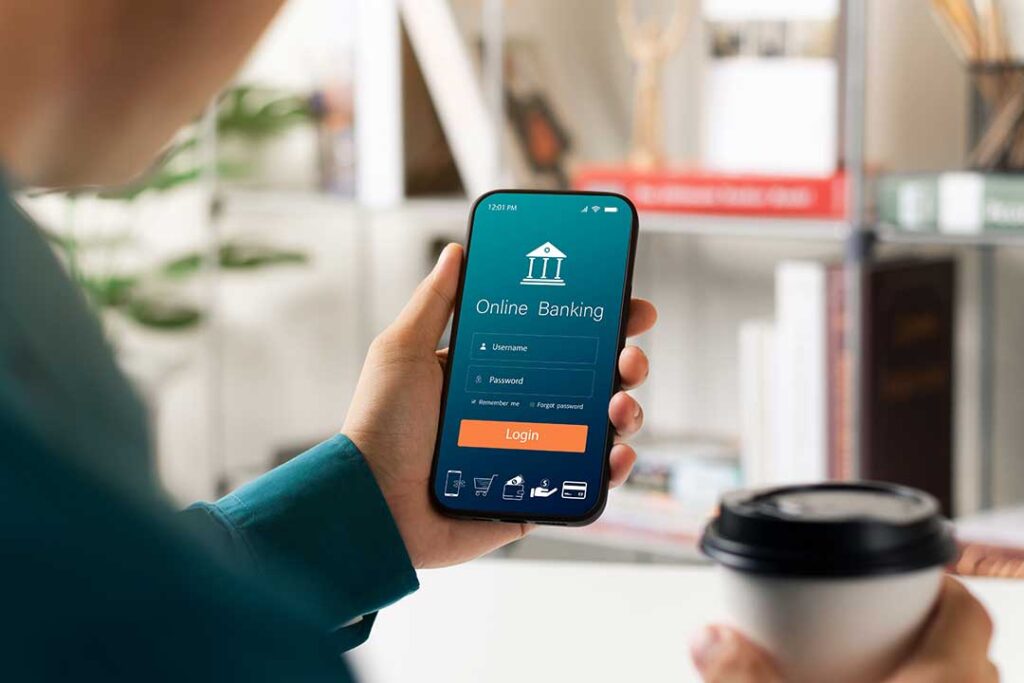
Can Residents in Ridgeland, MS Trust Online-Only Banks?
Online-only banks have become a popular option for area households seeking convenience and sometimes lower fees. These digital institutions operate without traditional physical branches, raising practical questions about security, accessibility, and reliability. Generally, online-only banks are considered safe when properly regulated. Most legitimate online banks are insured by the Federal Deposit Insurance Corporation (FDIC), protecting deposits up to federal limits, similar to brick-and-mortar banks. However, understanding what this really means for local residents helps to make informed decisions.
How Do Online-Only Banks Keep Your Money Safe?
Online banks rely on robust encryption and digital security. FDIC insurance covers deposits up to $250,000 per account holder, per bank, for each account category—even if the bank only exists online. Almost all reputable online banks in the United States must be FDIC-insured and display their certificate on their website.
Key points to consider:
- Data encryption scrambles account information to help prevent hacking.
- Multi-factor authentication (like texted codes or authentication apps) adds a layer of protection at login.
- Banking regulators require strong consumer safeguards, even for digital banks.
Even so, users play a role in safeguarding accounts by using strong, unique passwords and by monitoring for suspicious activity.
What Are the Real Advantages for Local Households?
Online-only banks offer noticeable benefits, especially for busy residents or those living in areas without easy access to large branch networks.
Some of the main advantages:
- Convenience—Manage finances remotely, anytime, from a smartphone, tablet, or computer.
- Potentially lower fees and higher interest—Without the cost of operating branches, some online banks return savings to customers through reduced service charges or better rates.
- Streamlined digital features—Many online banks provide modern apps, automation for savings, and tools for tracking spending.
These features can be especially practical for families juggling work and home commitments or for those who travel frequently within the region or outside it.
Are There Drawbacks to Relying Entirely on Digital Banking?
Despite strong security and convenience, online-only banks come with some downsides that area residents may find relevant.
Challenges and limits include:
- No in-person service—You can’t visit a branch in town for direct help or resolve concerns face-to-face.
- Cash deposits can be tricky—While some online banks partner with ATM networks for withdrawals, putting cash into your account may require more steps, such as using third-party ATMs or depositing into another institution first.
- Outages and tech issues—Occasional app glitches, internet downtime, or maintenance periods can temporarily limit access to funds or services.
- Limited check or money order services—Not all online banks offer easy solutions for needs like cashier’s checks, which are sometimes needed for large local transactions.

What About Customer Service and Dispute Resolution?
Online-only banks typically provide support through chat, email, or phone—sometimes 24/7. While this is sufficient for many, complex issues may be harder to resolve remotely, especially if documentation or urgent interactions are needed. Residents accustomed to dropping by a neighborhood branch for urgent banking problems or sensitive situations may find the digital-only format less reassuring.
How Do I Know If an Online-Only Bank Is Legitimate?
Not every website or app advertising “online banking” is safe. Area residents should verify an online bank’s FDIC insurance status through the FDIC’s online resources. Look for clear addresses, regulatory information, and stable digital presence. Avoid banks that:
- Don’t display FDIC or NCUA (for credit unions) membership
- Ask for unusual personal information (beyond standard requirements)
- Lack transparent ways to contact support
Doing a quick search for the institution’s regulatory standing or any consumer complaints helps protect against scams.
What Are Common Misunderstandings About Online-Only Banks?
Some local households hesitate to trust digital banks, fearing that funds could vanish overnight if the company goes out of business or faces a cyberattack. In the United States, as long as the institution is FDIC- or NCUA-insured, federally covered deposits are safeguarded even if a bank fails. However, funds above coverage limits are not protected.
Another misconception: that online banks never have fees. While many offer fee reductions, some services—like wire transfers, physical checks, or early account closures—may still incur charges. Review the fee schedule before switching.
When Does Online-Only Banking Make Sense for Local Residents?
Digital banks are often a good fit for those who rarely handle cash, are comfortable with technology, and value a streamlined, mobile-first experience. Community members who require flexible hours, frequent out-of-town travel, or accessible financial tools may find online banks efficient. However, residents who deposit cash regularly, prefer in-person service, or need a wide range of specialized financial services might be better served by supplementing online accounts with a local, traditional bank.
Staying aware of one’s own needs and habits is the best way to decide whether an online-only bank fits into a household’s financial picture.