
 See My Latest Article on HelloNation

What role do banks play in financial health?
Banks help households manage money, protect funds, borrow responsibly, and plan for future needs. A checking account may be the most familiar banking service, but a person’s financial health also depends on savings habits, access to credit, fraud protection, and the ability to handle unexpected expenses.
For residents of Ridgeland, banking can support practical needs such as managing housing costs, preparing for severe weather, handling seasonal expenses, and organizing income from one or more sources. A strong banking relationship does not guarantee financial stability, but it can make everyday financial decisions easier to track and manage.
How does a bank help with everyday money management?
A checking account provides a central place for income and routine expenses. Direct deposits, electronic payments, debit card purchases, transfers, and automatic bill payments can reduce the need to handle cash and make financial activity easier to review.
Good account management includes:
- Checking balances regularly rather than relying only on available-balance alerts
- Reviewing transactions for errors or unauthorized activity
- Keeping enough money available for scheduled payments
- Understanding overdraft practices and related fees
- Updating contact information so security notices are received
- Using separate accounts for routine spending and savings when that improves organization
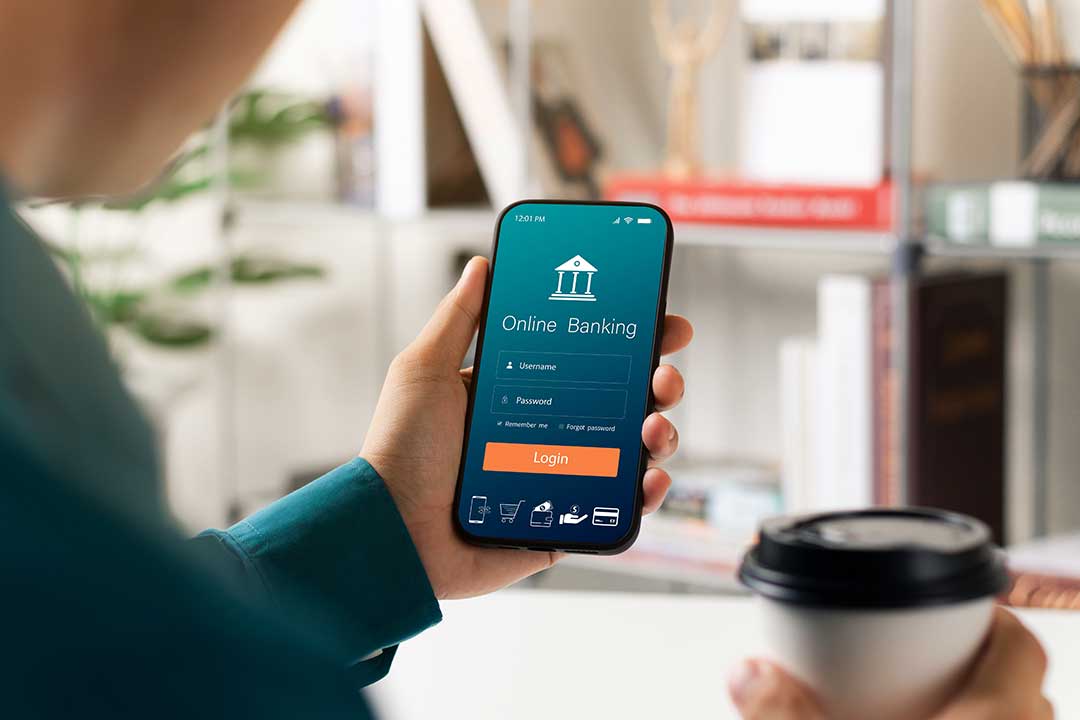
Online and mobile banking can make these tasks more convenient, but convenience should not replace review. Automatic payments are helpful until an account balance changes, a subscription continues unnoticed, or a payment is withdrawn earlier than expected.
A simple weekly review of deposits, purchases, pending payments, and upcoming bills can reveal problems before they become expensive.
Why is a savings account important?
Savings accounts provide a place for money that should remain available but is not needed for daily spending. The purpose may be an emergency fund, an annual insurance bill, home maintenance, education costs, or another known future expense.
An emergency fund is especially useful for area households because unexpected costs can arise from vehicle repairs, medical bills, temporary income interruptions, or weather-related property needs. In a region where heavy rain, high heat, and tropical weather can affect transportation or homes, accessible savings can help cover urgent expenses without immediately relying on a credit card or high-cost loan.
A useful savings structure may include:
- A small starter reserve for immediate problems
- A larger emergency fund built gradually
- Separate savings for predictable annual expenses
- Automatic transfers scheduled after income arrives
The right amount depends on income stability, household size, debt obligations, insurance coverage, and necessary monthly expenses. Saving consistently matters more than choosing a perfect starting amount.
How do banks affect borrowing and credit?
Banks may provide credit cards, personal loans, auto loans, home loans, and other forms of financing. Borrowing can help a household purchase a home, replace a vehicle, or manage a large expense, but every loan affects future cash flow.
Before accepting credit, review more than the monthly payment. Consider:
- The annual percentage rate
- Whether the rate can change
- The total amount repaid
- Loan fees and closing costs
- The repayment period
- Penalties or restrictions
- Whether the payment fits comfortably within the household budget
A longer loan term may lower the monthly payment while increasing the total interest paid. A low introductory rate may also change later. Understanding these details helps prevent a payment that appears affordable at first from becoming difficult over time.
Bank accounts and loan payments can also influence credit history. Paying obligations on time generally supports stronger credit, while missed payments, high balances, and repeated applications for credit may create problems. Maintaining a checking account does not automatically build credit, so people seeking to establish or repair credit should understand which activities are actually reported.
What banking services help protect money?
Banks use account alerts, transaction monitoring, login protections, and other controls to help identify suspicious activity. Customers still play a major role in protecting their accounts.
Basic precautions include:
- Using unique passwords for financial accounts
- Enabling multifactor authentication when available
- Avoiding banking through unsecured public networks
- Treating unexpected texts, calls, and emails with caution
- Never sharing one-time security codes
- Reviewing statements and transaction alerts
- Reporting lost cards or unauthorized transactions promptly
Fraud attempts often create urgency. A message may claim that an account will be closed, a payment is overdue, or a suspicious purchase requires immediate confirmation. Instead of using a link or phone number in the message, access the bank through a known method and verify the issue independently.
Deposit insurance can also reduce risk if an insured bank fails, subject to applicable coverage limits and account ownership rules. Deposit insurance does not protect against investment losses, falling property values, or unauthorized transactions caused by customer actions.
How can banking help with a household budget?
Bank records can make a budget more accurate because they show actual spending rather than estimated spending. Reviewing several months of transactions can identify recurring costs, irregular bills, convenience purchases, and expenses that vary by season.
A practical budget may group money into:
- Housing and utilities
- Transportation
- Food and household supplies
- Insurance and medical costs
- Debt payments
- Savings
- Flexible or optional spending
Households should account for expenses that do not occur every month. Property taxes, insurance renewals, school-related costs, maintenance, holiday spending, and travel can create pressure when they are treated as surprises. Dividing an annual expense by twelve provides a monthly savings target.
Bank alerts can support this process. Low-balance alerts, deposit notifications, large-purchase alerts, and payment reminders may help prevent missed obligations or unplanned withdrawals.
What should people consider when choosing or reviewing an account?
The most suitable account depends on how money is used, not simply on the account’s advertised features. Review the fee schedule, minimum balance rules, ATM access, transfer limits, mobile access, customer support hours, and overdraft practices.
A person who keeps a small balance may be affected most by monthly maintenance fees. Someone who travels or makes frequent cash withdrawals may care more about ATM availability. A household with irregular income may need flexible deposit timing and clear balance information.
It is also worth reviewing older accounts periodically. Financial needs change after a job change, move, marriage, divorce, retirement, home purchase, or new caregiving responsibility. An account that worked well several years ago may no longer fit current income patterns or expenses.
What are common banking misconceptions?
Having a bank account does not automatically mean a person has an emergency fund. Money available for immediate spending is different from money reserved for unexpected costs.
A high account balance does not necessarily indicate financial health if the money is committed to upcoming bills or offset by significant debt. Similarly, a low balance is not always a problem if income timing and scheduled payments are carefully managed.
Another misconception is that convenience features are always beneficial. Automatic transfers, overdraft services, and stored payment information can be useful, but they should be reviewed regularly. Financial tools work best when the account holder understands what they do and checks whether they still match the household’s needs.
How often should someone review their banking setup?
A brief weekly review can help identify unauthorized activity and upcoming payments. A more detailed monthly review should compare income, spending, savings, debt payments, and account fees.
At least once or twice a year, review:
- Beneficiaries and account ownership
- Emergency contact information
- Automatic payments and subscriptions
- Savings goals
- Credit reports and outstanding debts
- Account fees and service terms
- Whether important documents and passwords are stored securely
Banking is only one part of financial health, but it provides the records, safeguards, and payment tools that support many other decisions. Used thoughtfully, bank accounts can help households in Ridgeland manage daily obligations while preparing for expenses that are less predictable.